Signs the crawl space has a water problem
Crawl spaces get ignored until something upstairs changes. Watch for:
- A musty or earthy smell that is worse in summer or after rain.
- Floors that feel soft, bouncy or cupped, especially hardwood.
- Condensation on ductwork, or HVAC that runs and never quite dries the house out.
- Sagging insulation hanging between the floor joists.
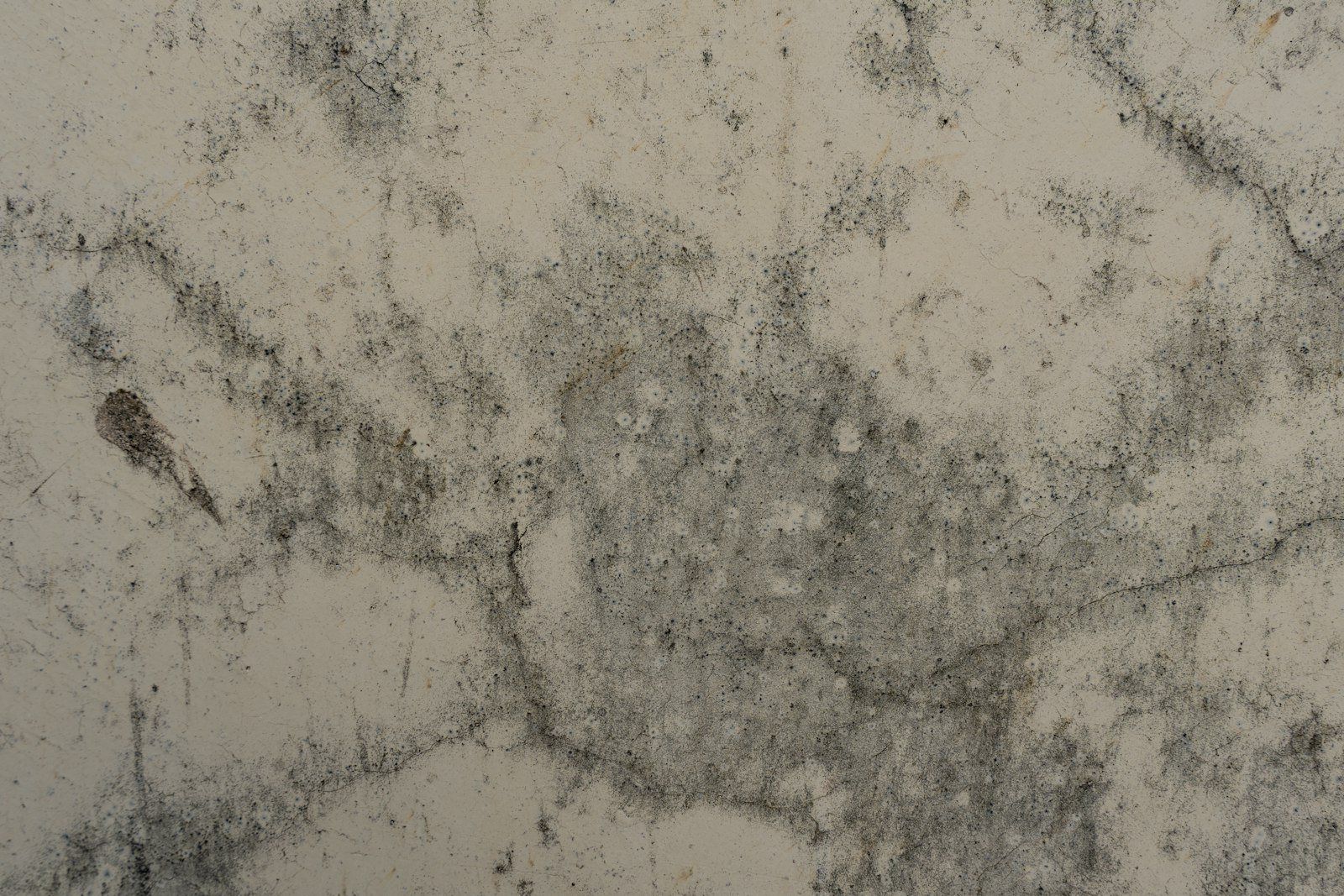
- White, green or black growth on joists, sill plates or the underside of the subfloor.
If you can see standing water through the crawl space door, call before going in. Water under a house can be near wiring, and if it came from a sewer or septic line it is a health hazard.
How a crew dries and cleans it
The usual job looks like this: pump out standing water, pull out soaked insulation and torn vapor barrier, dry the soil and framing with dehumidifiers, then clean and treat mold on the wood. Moisture readings are taken before and after so you know the wood is actually dry.
Once it is dry, many companies will talk with you about keeping it that way. Options include a heavier vapor barrier, sealing vents, a sump pit or a dedicated crawl space dehumidifier. Get the cleanup done first and decide on those after.
Have this ready when you call
- What is leaking, if you know: a supply line, the water heater, a toilet, the roof, a crawl space or a drain.
- Whether the water is clean or looks and smells like sewage.
- Which rooms and floors are wet, including the crawl space or basement, and about how long it has been wet.
- Whether the main water valve is off and the power to wet rooms is off.
- Your road or subdivision in Cumming or Forsyth County, so a crew close to you picks up.
Most calls take a couple of minutes. Stay on the line and you will be matched with a local company that can send someone out.
Free to call. You are not signing up for anything.
Why Cumming crawl spaces stay wet
North Georgia sits on red clay. Clay holds water and drains slowly, so after a few days of summer storms the ground around a house stays soaked, and water finds its way into the low spot under the floor. Homes built on sloped lots, which describes a lot of Forsyth County, can take runoff straight into the crawl space from the uphill side.
The air matters as much as the rain. Summer dew points in metro Atlanta stay high for months. Vented crawl spaces pull that humid air under the house, where it hits cooler ductwork and soil and condenses. That is how a crawl space with no leak at all ends up with wet insulation and mold on the joists by August.
Older homes near downtown Cumming and out toward Matt, Silver City and Coal Mountain are the most likely to have crawl spaces, often with thin or missing vapor barriers. Plenty of newer homes have them too, especially on lots where a full basement did not make sense.
Mold under the house does not stay under the house. Air from the crawl space moves up into the living space, and so does the smell. Drying it out protects the floor framing and makes the house more comfortable to live in.